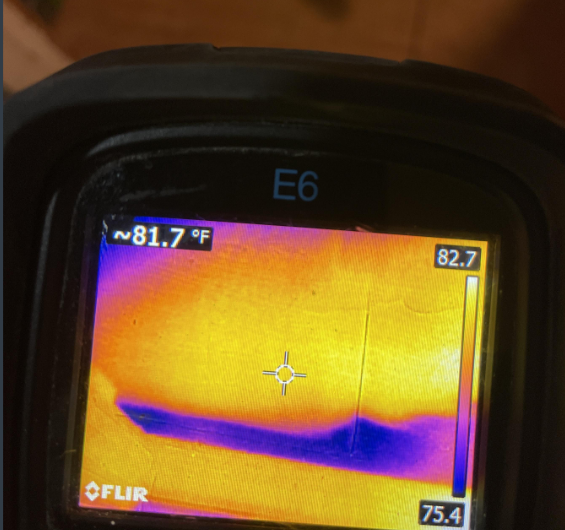
Leak Detection Services in Livingston, LA
If you suspect a hidden water leak in your Livingston home, business or commercial property, Louisiana Leak Detection can help identify the source before the problem causes additional property damage.
We provide professional leak detection for slab leaks, plumbing leaks, underground water leaks, sewer line problems, high water bills, water intrusion and other difficult-to-find sources of water throughout Livingston and surrounding Livingston Parish communities.
Hidden leaks do not always create obvious standing water. The first indication may be an unusually high water bill, warm or damp flooring, moisture around walls or cabinets, reduced water pressure, wet areas outside or the sound of running water when plumbing fixtures are turned off.
Call Louisiana Leak Detection at 225-320-5566 to schedule leak detection in Livingston.
Find Hidden Water Leaks Before They Cause More Damage
A concealed plumbing leak may be located behind a wall, beneath flooring, below a concrete slab or underground. In many cases, the actual source cannot be seen from inside the property.
Water can also travel away from the point where the pipe or fitting failed before becoming visible. A wet floor, damaged cabinet, water stain or damp baseboard may therefore be a symptom rather than the location of the actual leak.
Professional leak detection helps narrow down the suspected source before unnecessary demolition, excavation or exploratory plumbing work begins.
Know You Have Water Somewhere -- But Can't Find the Source?
Louisiana Leak Detection helps Livingston homeowners, businesses, plumbers and property managers investigate difficult-to-find water problems so the suspected source can be identified before the appropriate repair is planned.
Signs You May Have a Hidden Water Leak
Some leaks are immediately obvious. Others may remain concealed until changes in water usage, flooring, walls or exterior conditions provide the first warning.
Common signs of a hidden water leak include:
- Unexpected increase in your water bill
- Water meter moving while plumbing fixtures are turned off
- Sound of running or dripping water
- Warm areas on tile or other flooring
- Damp or discolored flooring
- Buckling or swelling floors
- Water stains on walls or ceilings
- Moisture around cabinets or baseboards
- Musty or damp odors
- Reduced or inconsistent water pressure
- Persistent wet or unusually soft areas outside
- Moisture around the foundation
- Recurring water damage with no visible source
Leak Detection Services in Livingston
Louisiana Leak Detection helps homeowners, businesses, plumbers, contractors and property managers investigate a variety of concealed plumbing and water problems throughout Livingston and Livingston Parish.
Slab Leak Detection
Plumbing lines beneath concrete foundations can develop leaks that remain hidden until you notice increased water usage, warm flooring, damp areas or unexplained moisture.
Leak detection can help narrow down the suspected location before concrete, tile or other finished flooring is unnecessarily opened.
Plumbing Leak Detection
Plumbing leaks can develop behind walls, beneath flooring, above ceilings and in other concealed portions of a home's or building's plumbing system.
Identifying the likely source before repair work begins can reduce unnecessary exploratory demolition and provide better information for the plumber making the repair.
Underground Water Leak Detection
Underground water-line leaks may cause unexpectedly high water usage, reduced water pressure, persistent wet areas outside, soft soil or unexplained moisture around a home or building.
Narrowing down the suspected area before excavation can help reduce unnecessary digging and disruption to the property.
Sewer Line Leak Detection
Sewer and drain-line problems can be difficult to identify when the affected piping is concealed beneath a structure or underground.
Determining the suspected affected area can provide useful information before the appropriate repair is planned.
High Water Bill Leak Detection
If your water bill suddenly increases without a corresponding increase in normal water use, a concealed plumbing, slab or underground water leak may be responsible.
Water Intrusion Detection
Not every unexplained water problem originates from plumbing. Moisture that appears during or after rain may involve windows, exterior walls, doors, roofing, flashing or another part of the building envelope.
Slab Leak Detection in Livingston
A leaking water line beneath a concrete foundation can be particularly difficult to locate because the plumbing is concealed beneath the structure and finished flooring.
Possible warning signs include warm flooring, unexpectedly high water usage, unexplained dampness, damaged flooring or the sound of water running when plumbing fixtures are not being used.
Water can move beneath the slab before appearing inside the property. As a result, the location where moisture becomes visible may not be directly above the leaking pipe.
Leak detection helps narrow down the suspected location before flooring or concrete is opened for plumbing repair.
High Water Bill but No Visible Leak?
An unexplained increase in your water bill can be one of the first indications that water is escaping somewhere in the plumbing system.
If toilets, faucets, appliances and other obvious sources appear normal, water may be leaking from a concealed line behind a wall, beneath flooring, below a slab or underground.
If the water meter continues showing usage while plumbing fixtures are turned off and you cannot determine where the water is going, professional leak detection can help investigate the problem.
Water Appearing Near the Floor or Foundation?
Moisture showing up around flooring, baseboards or the foundation may be related to a concealed plumbing or under-slab water leak, but the visible wet area is not always the location of the source.
Water can move beneath flooring, through concrete and along building materials before it becomes visible.
Locating the suspected source before opening the floor or wall can provide much better information for determining where repair work should begin.
Is It a Plumbing Leak or Water Intrusion?
Unexplained moisture inside a Livingston property does not automatically mean a plumbing pipe is leaking.
Water that appears regardless of weather conditions may indicate a plumbing-related problem. Moisture that appears primarily during or after heavy rain may instead involve exterior water intrusion.
Determining whether the water originates from the plumbing system or is entering from outside the structure is an important first step toward solving the problem correctly.
Why Locate the Leak Before Opening Walls or Floors?
The location where water becomes visible is not always where the plumbing system failed.
Water can travel beneath flooring, through wall cavities, along framing and under foundations before appearing somewhere else inside the property.
Opening a wall or floor based only on visible moisture may expose damaged materials without exposing the actual leak. Narrowing down the suspected source first gives the property owner and plumber better information before repair work begins.
Has the Hidden Leak Already Caused Water Damage?
A concealed plumbing or slab leak can allow water to spread beneath flooring, behind drywall, around cabinets and into other moisture-sensitive materials before the source is discovered.
Locating and repairing the plumbing problem stops additional water from escaping, but materials that are already wet may still require further moisture evaluation, drying or restoration.
If you already see damaged flooring, wet drywall, swollen cabinets, staining or other signs of property damage, mention those conditions when scheduling your leak detection appointment.
Residential & Commercial Leak Detection in Livingston
Louisiana Leak Detection works with homeowners, businesses, rental-property owners, plumbers, contractors and property managers who need help locating difficult-to-find water problems.
Whether the problem involves a residence, rental property, office, commercial building or another property, identifying the suspected source provides better information for determining the appropriate next step.
Leak Detection Throughout Livingston Parish
Louisiana Leak Detection provides residential and commercial leak detection in Livingston and surrounding Livingston Parish communities.
Whether you suspect an under-slab water line, hidden plumbing leak, underground leak, sewer-line problem, high water bill or unexplained moisture, our goal is to help determine where the water is coming from.
Nearby Leak Detection Service Areas
We also provide professional leak detection in nearby Greater Baton Rouge and Livingston Parish communities.
Denham Springs Leak Detection | Baton Rouge Leak Detection
We also serve customers in Walker, Watson, Albany and surrounding communities throughout Livingston Parish and Southeast Louisiana.
Not sure whether we service your location? Call 225-320-5566.
Livingston Leak Detection FAQs
How do I know if I have a hidden water leak?
Common warning signs include an unexplained increase in your water bill, water-meter activity while fixtures are off, running-water sounds, warm or damp flooring, water stains, reduced water pressure, wet areas outside or recurring moisture with no visible source.
Can you locate a slab leak in Livingston?
Yes. Leak detection can help narrow down the suspected location of plumbing leaks beneath concrete slabs before unnecessary demolition or flooring removal begins.
Can you find plumbing leaks behind walls?
Hidden plumbing leaks can occur inside walls, above ceilings, beneath flooring and in other concealed areas. Leak detection can help narrow down the likely source before repair work begins.
Can a hidden leak cause a high water bill?
Yes. Water escaping continuously from a pressurized plumbing line can increase water usage even when no visible leak is present.
Can you locate an underground water leak?
Underground leaks may cause increased water usage, reduced water pressure, persistent wet soil, soft areas outside or unexplained moisture near a property. Leak detection can help narrow down the suspected area before excavation begins.
What if water appears only when it rains?
Moisture that appears mainly during rain may involve exterior water intrusion rather than a plumbing leak. Louisiana Leak Detection also investigates difficult-to-find water intrusion problems.
Should I call a plumber or a leak detection company first?
If you already know exactly where the plumbing failure is located, a plumber may be able to proceed directly with repair. If you know there is a water problem but cannot identify its source, leak detection can help narrow down the suspected location before repair is planned.
What happens after the leak is located?
Once the suspected source has been identified, the appropriate plumbing repair can be determined. If water has already affected flooring, drywall, cabinets or other building materials, those areas may also require moisture evaluation, drying or restoration.
Do you provide leak detection outside Livingston?
Yes. Louisiana Leak Detection serves Denham Springs, Baton Rouge and surrounding communities throughout Livingston Parish, Greater Baton Rouge and Southeast Louisiana.
Think You Have a Hidden Water Leak in Livingston?
Don't guess where the water is coming from. Louisiana Leak Detection can help identify the suspected source and provide the information needed to determine the appropriate next step.
Call 225-320-5566 Schedule Leak Detection