24/7 For Emergency
Leak Detection Services

Slab Leak Detection in Baton Rouge, New Orleans & the Northshore

Suspect a water leak beneath your concrete foundation? Louisiana Leak Detection helps locate hidden slab and under-slab plumbing leaks throughout Baton Rouge, Greater New Orleans, the Northshore and surrounding Southeast Louisiana communities.

A slab leak can remain hidden until you notice a high water bill, warm or damp flooring, the sound of running water, reduced water pressure or unexplained moisture inside your home or business.

Finding the source before unnecessary demolition begins can help make the eventual plumbing repair more targeted and may reduce additional water damage to your property.

Call 225-320-5566 to schedule slab leak detection in Southeast Louisiana.

Think You Have a Leak Under Your Concrete Slab?

Plumbing lines located beneath a concrete slab are difficult to inspect visually. When one of those lines develops a leak, water may travel beneath the foundation or into surrounding building materials before the problem becomes obvious.

The wet spot you see inside your home may not be directly above the leaking pipe. Water can move along the slab, through flooring systems and into walls, cabinets and other materials.

Slab leak detection is designed to help narrow down the source of the problem before floors or concrete are opened unnecessarily.

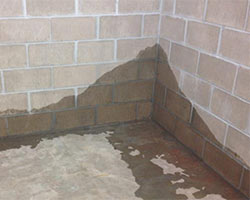
Slab leak detection beneath a concrete foundation in Louisiana

Locate the Leak Before You Start Tearing Up the Floor

When a plumbing line is hidden beneath concrete, accurately narrowing down the problem can help reduce unnecessary exploratory demolition and give the plumber better information before repair work begins.

Slab leak detection technology
Detect Hidden Leaks

Diagnostic leak detection methods help narrow down difficult-to-find plumbing leaks beneath slabs and other concealed areas.

Locate slab plumbing leak
Narrow Down the Source

Locating the likely source before repair can help minimize unnecessary cutting, excavation and guesswork.

Louisiana slab leak detection
Determine the Next Step

Once the problem is identified, the appropriate plumbing repair and any necessary water-damage response can be determined.

Signs of a Slab Leak

Because the plumbing is concealed beneath the foundation, a slab leak may develop for some time before the source is obvious. Warning signs can include:

  • Unexpected or unexplained increase in your water bill

  • Water meter moving when all fixtures are turned off

  • Sound of running or dripping water with no obvious source

  • Warm areas on tile, wood or other flooring

  • Damp flooring or unexplained moisture

  • Water appearing near walls, cabinets or baseboards

  • Musty or damp odors

  • Low or changing water pressure

  • Moisture around the perimeter of the foundation

  • Repeated water damage with no visible plumbing leak

If you are experiencing one or more of these symptoms, learn more about identifying an under-slab water leak or call Louisiana Leak Detection for help determining the next step.

What Is a Slab Leak?

A slab leak generally refers to a plumbing leak located beneath or within the concrete slab foundation of a building.

The leak may involve a pressurized water supply line or another portion of the plumbing system located beneath the structure. Because the pipe cannot normally be seen without opening the slab or surrounding materials, determining the likely location of the failure is an important part of planning the repair.

Not every unexplained wet area is caused by a slab leak. Moisture may also originate from plumbing inside walls, appliances, drains, exterior water intrusion or other sources. Leak detection helps determine whether the problem is actually beneath the foundation.

What Causes Pipes Beneath a Slab to Leak?

Plumbing beneath a foundation can develop leaks for a number of reasons. The cause depends on the age and condition of the plumbing system, installation, pipe materials and surrounding environment.

Pipe Corrosion

Plumbing materials may deteriorate over time. Corrosion can weaken pipe walls and eventually lead to pinhole leaks or larger failures.

Learn more about pipe corrosion.

Installation Problems

Pipes that were damaged, improperly supported or stressed during installation may develop weak points that eventually begin leaking.

Excessive Water Pressure

Excessive or inconsistent water pressure can place additional stress on pipes, fittings and connections.

Learn more about high water pressure.

Movement & Abrasion

Pipes may experience movement or repeated contact with surrounding materials over time, potentially weakening the plumbing.

Aging Plumbing

As plumbing systems age, pipes, fittings and connections may become more susceptible to deterioration and leakage.

Failed Joints or Connections

Connections and pipe joints can deteriorate or fail, allowing water to escape beneath the slab.

Learn more about damaged pipe joints.

High Water Bill but No Visible Leak?

A slab leak may first become noticeable because your water usage suddenly increases even though nothing has changed inside the home.

If your meter continues to show water usage when faucets, toilets, appliances and other fixtures are not running, water may be escaping from a concealed plumbing line.

That does not automatically mean the leak is beneath the slab, but it is one reason additional leak detection may be appropriate.

Learn more about high water bill leak detection.

How Slab Leak Detection Works

Investigate suspected slab leak
1. Investigate

The process begins by reviewing the symptoms and determining where the water problem may be originating.

Detect hidden slab leak
2. Locate

Appropriate diagnostic methods are used to help narrow down the likely location of the concealed leak.

Slab leak detection results
3. Determine the Next Step

Once the source is identified, the plumbing repair and any necessary response to resulting water damage can be determined.

Can a Slab Leak Cause Water Damage?

Yes. Water leaking beneath a slab can migrate into flooring, walls, cabinets and other building materials before the plumbing problem becomes visible.

Repairing the leaking line stops the source of additional water, but materials that have already become wet may still require moisture evaluation, drying or restoration.

If you already see wet flooring, swollen wood, damaged baseboards, damp drywall, affected cabinets or other signs of water damage, mention those conditions when you call Louisiana Leak Detection.

If water damage is discovered during the process, we can help coordinate the appropriate next steps so the plumbing problem and the resulting property damage can both be addressed.

Slab Leak Detection Throughout Southeast Louisiana

Louisiana Leak Detection provides slab and under-slab leak detection throughout Baton Rouge, Greater New Orleans, the Northshore and surrounding Southeast Louisiana communities.

Baton Rouge

Slab leak detection is available throughout Baton Rouge and nearby communities including Denham Springs, Prairieville, Gonzales, Central, Zachary and Walker.

Leak detection in Baton Rouge

Northshore

We serve Mandeville, Covington, Madisonville, Slidell, Abita Springs, Lacombe and surrounding Northshore communities.

Leak detection on the Northshore

Mandeville leak detection | Covington leak detection

Greater New Orleans

Slab and hidden water leak detection is available throughout New Orleans, Metairie and surrounding Southeast Louisiana communities.

Leak detection in New Orleans

Leak detection in Metairie

Slab Leak Detection FAQs

How do I know if I have a slab leak?

Common signs include an unexplained high water bill, the sound of running water when fixtures are off, warm or damp flooring, reduced water pressure and unexplained moisture around floors, walls or cabinets.

Can a slab leak be found without tearing up the floor?

Leak detection is intended to help narrow down the suspected location before unnecessary demolition begins. The specific methods used depend on the plumbing system and conditions at the property.

Why would part of my floor feel warm?

A warm area on the floor can sometimes be associated with a leaking hot-water line beneath the slab. Other causes are possible, so the condition should be evaluated rather than assumed to be a slab leak.

Can a slab leak cause my water bill to increase?

Yes. Water escaping continuously from a pressurized plumbing line can result in increased water usage even when no obvious leak is visible.

Can a slab leak damage flooring and cabinets?

Water from a concealed plumbing leak can migrate into flooring, baseboards, walls, cabinets and other building materials. The extent depends on the location, duration and amount of water involved.

What happens after the slab leak is located?

Once the likely source has been identified, the appropriate plumbing repair can be determined. If water has affected building materials, moisture evaluation, drying or restoration may also be necessary.

Where does Louisiana Leak Detection provide slab leak detection?

Service is available throughout Southeast Louisiana, including Baton Rouge, New Orleans, Mandeville, Covington, Slidell, Metairie and surrounding communities.

Suspect a Leak Beneath Your Slab? Call Louisiana Leak Detection at 225-320-5566

This page is especially i

Arrow